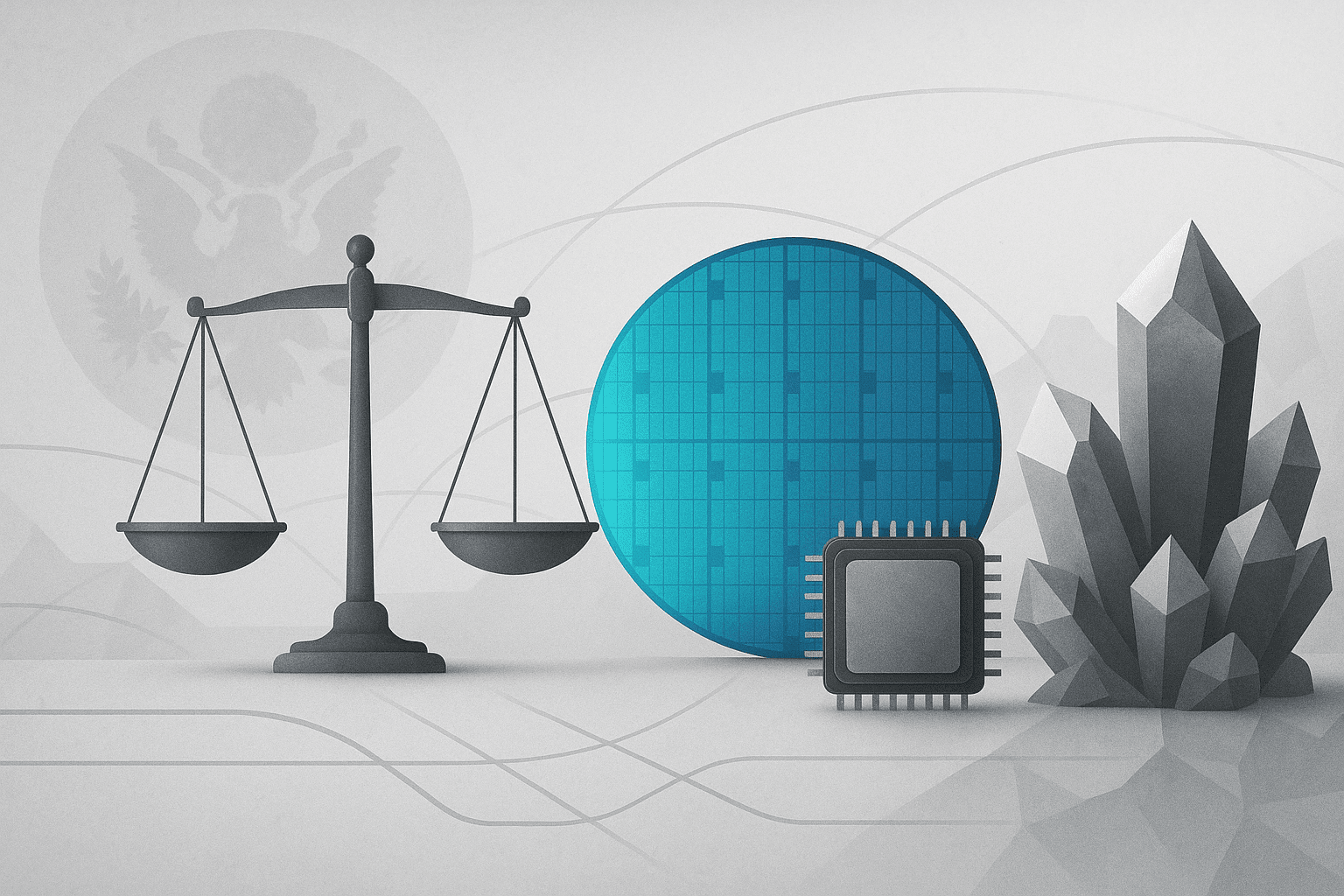
The Chinese government has announced a one-year suspension of export controls on five critical minerals, including gallium and germanium, which are essential for semiconductor manufacturing. This decision, made by the Ministry of Commerce, comes as part of a broader agreement following a summit between US President Trump and Chinese leader Xi Jinping on October 30, 2025. This diplomatic effort aims to ease tensions between the two superpowers, which have been exacerbated by trade disputes and technology competition.
Five Key Minerals Impacted
The suspension specifically targets:
- Gallium
- Germanium
- Antimony
- Tungsten
- Graphite
These minerals are vital in various applications, ranging from semiconductors to explosives, batteries, and nuclear reactors. The availability of these materials is crucial for industries that rely heavily on advanced technology and manufacturing processes. For tech companies, the implications of this suspension could mean a more stable supply chain, allowing for increased production capacity and innovation.
Export License Requirements Explained
While the suspension eliminates the requirement for export licenses for these minerals for one year, it differs from the expectations set by the White House, which anticipated the issuance of multi-year licenses. The announcement aims to facilitate easier access for American companies to these essential resources, which have been subject to stringent export controls since December 2024. Companies must remain vigilant, however, as the temporary nature of this suspension could lead to future volatility in supply and pricing.
Significance for Semiconductor Industry
The lifting of these restrictions is significant for the semiconductor industry, as gallium and germanium are crucial for producing certain types of chips. The previous limitations had severely curtailed exports to the United States, prompting concerns over supply chain reliability. This temporary reprieve allows US semiconductor manufacturers to stabilize their operations and potentially ramp up production to meet increasing global demand.
However, enterprises must also consider the long-term implications of relying on a single source for these critical minerals. Diversification of supply chains may still be necessary to mitigate risks associated with geopolitical tensions and future regulatory changes.
China’s Mineral Production Leadership
China remains the dominant global producer of these minerals, alongside its substantial control over rare earth metals. The country accounts for a significant portion of the world’s supply of these resources, impacting global markets and supply chains. As such, any shifts in Chinese policy can have ripple effects across various industries, particularly those that are heavily dependent on these materials for production.
For businesses operating in sectors such as electronics, automotive, and renewable energy, understanding the dynamics of China’s mineral production and export policies is crucial for strategic planning and risk management.
US Strategy for Alternative Supply Chains
In response to these developments, the Trump administration is collaborating with various companies to establish alternative supply chains for the minerals affected by China’s restrictions. However, building new mines and processing facilities to replace Chinese production could take several years, posing challenges for US industries reliant on these minerals. Companies are encouraged to invest in research and development to explore alternative materials and technologies that could reduce dependence on Chinese sources.
Need for Strengthening Supply Chains
Industry leaders emphasize the need for the US to strengthen its critical minerals supply chain, regardless of external factors. Wade Senti, President of Advanced Magnet Lab, highlighted the importance of addressing all aspects of the supply chain, particularly in light of the long timelines associated with developing new production capabilities. This includes investing in domestic mining operations, recycling initiatives, and partnerships with allied nations to secure a more resilient supply chain.
Industry Adaptation to New Regulations
As the suspension takes effect, enterprise decision-makers must assess their supply chain strategies and consider the implications of these changes on their operations. The ability to secure a stable supply of critical minerals is essential for maintaining competitiveness in technology sectors, particularly in semiconductor manufacturing. Companies should evaluate their current contracts and supplier relationships to ensure they are positioned to take advantage of the temporary easing of restrictions.
Moreover, businesses must remain agile, prepared to pivot as the geopolitical landscape evolves. Engaging with regulators and industry associations will be crucial in navigating the complexities of supply chain management in this dynamic environment.